That’s not quite true. Take cellar spiders for example. They are evolved for living in caves, which put a great constraint on where they could live. But we came along and covered that planet in perfectly good “caves” for them and now they are one of the most widespread spiders there are.
So they are quite capable of living outdoors (unless you count caves as indoors), but without us there would be a lot fewer places for them to live.
Other spiders might use the indoors to extend their life span. Tegenaria spp. for example are mostly seasonal in the wild (meaning, they only live for one year and only the offspring makes it to the next year) but indoors some have been reported to be up to 7 years old.
So it’s not like that they unsuited to live outdoors, it’s just that indoors suits them much better. We usually call these spiders “synantropic”.
Good question. Someone should try it … there might be PhD in it!
But Pholcidae (the cellar spider family) is probably the only spider that has an established population in Antarctic. And it’s entirely within our Antarctic research stations … because they are just so good at living in human storage spaces.
Even if all humans would go away suddenly … our structures will survive to some degree. So the cellar spiders will probably be fine.
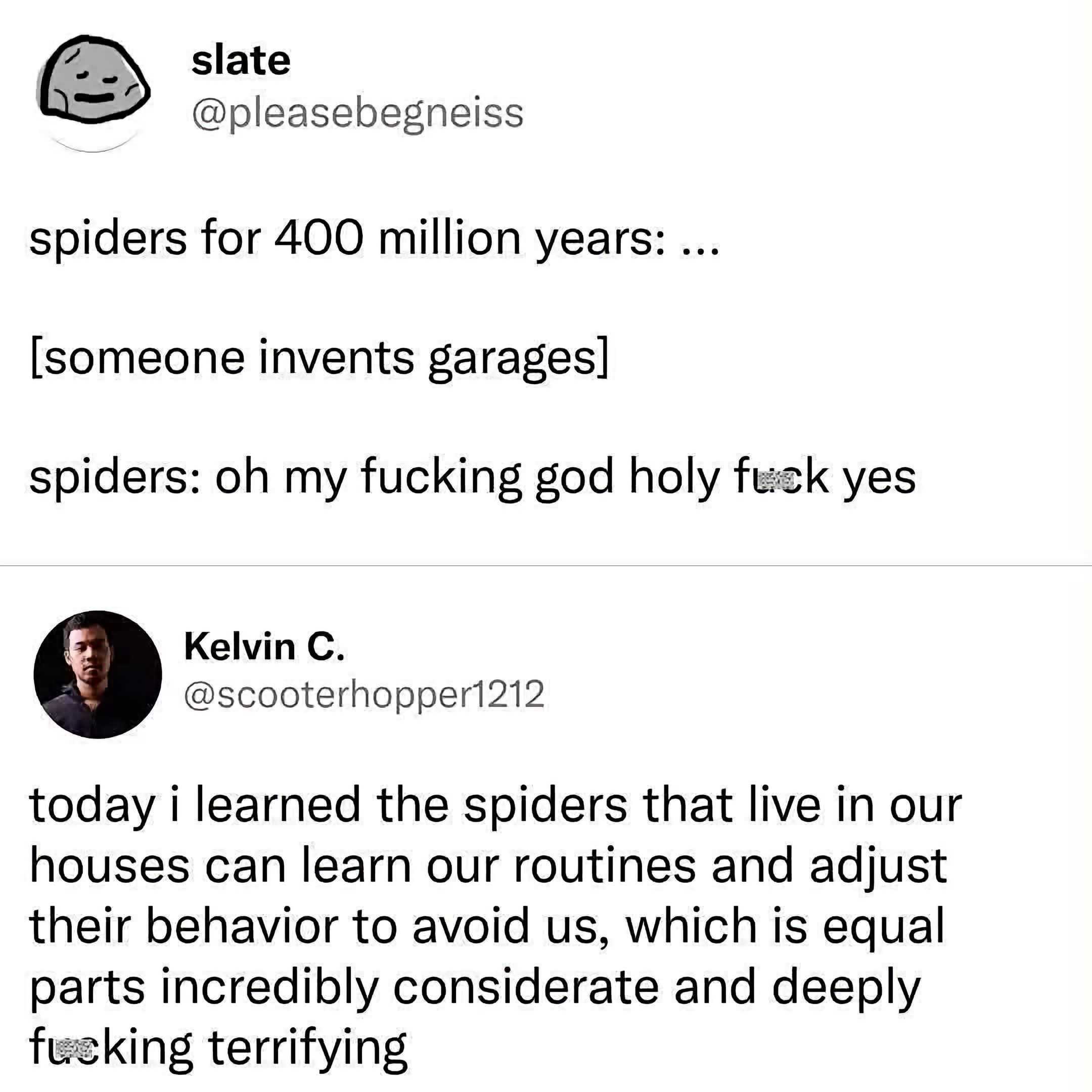
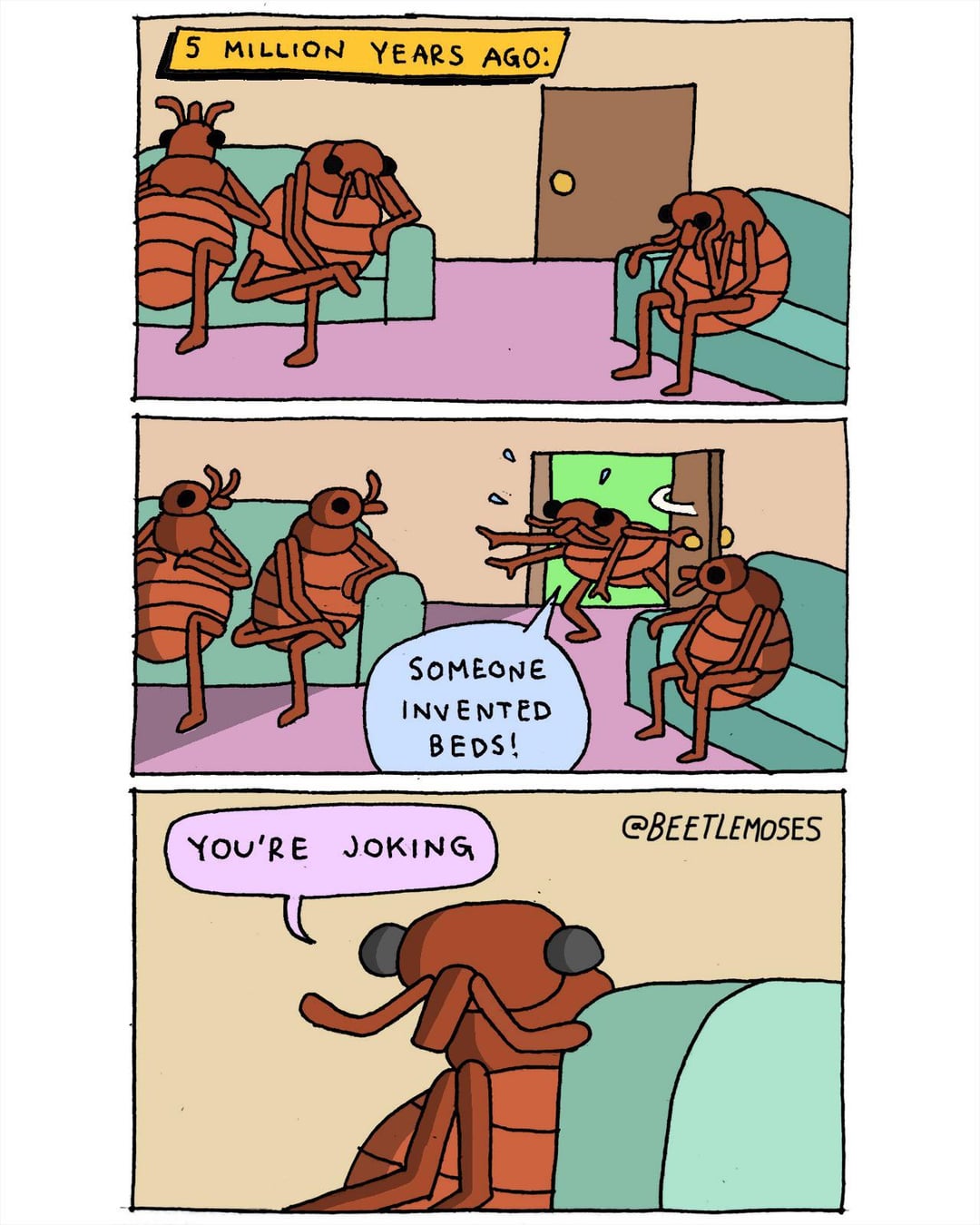
That’s not quite true. Take cellar spiders for example. They are evolved for living in caves, which put a great constraint on where they could live. But we came along and covered that planet in perfectly good “caves” for them and now they are one of the most widespread spiders there are.
So they are quite capable of living outdoors (unless you count caves as indoors), but without us there would be a lot fewer places for them to live.
Other spiders might use the indoors to extend their life span. Tegenaria spp. for example are mostly seasonal in the wild (meaning, they only live for one year and only the offspring makes it to the next year) but indoors some have been reported to be up to 7 years old.
So it’s not like that they unsuited to live outdoors, it’s just that indoors suits them much better. We usually call these spiders “synantropic”.
Well are those specific cellar spiders still able to, or have we softened them? Could one who’s only lived in a cellar pick up and move to a cave?
Good question. Someone should try it … there might be PhD in it!
But Pholcidae (the cellar spider family) is probably the only spider that has an established population in Antarctic. And it’s entirely within our Antarctic research stations … because they are just so good at living in human storage spaces.
Even if all humans would go away suddenly … our structures will survive to some degree. So the cellar spiders will probably be fine.
Well I would try it, but none of the caves around here have wifi.